

Challenges
Loving and losing my beautiful mother-in-law

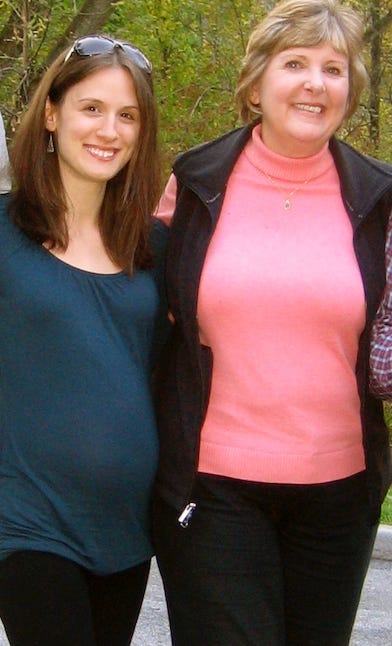
My mother-in-law passed away last night, and since I tend to process nearly everything best through writing, here I am.
This might be something I regret later—not waiting until the grief has faded a little, not giving myself time to put together the right words, to decide how much of what I’m thinking really needs to be out in the world. But Dianne was a woman who spoke her mind, even when doing so meant saying something that went against society’s zeitgeist, or just the general mood of the room. She was much braver than I am in that way.
She was also a voracious reader, which was the first thing we really bonded over when I started dating her son. And when I started writing my own books, she was always so encouraging. She was one of the smartest people I’ve met, as at home with numbers as she was with words, and her knowledge of history was encyclopedic. In summer, she made the sweetest cherry pies; in winter, the most delicious Julekaka bread. She loved old movies, and deep-fried asparagus, and the roses she’d transplanted from her father’s house after he died. She lived on a lake, where she loved the calm of the water and the calls of the loons.
She loved her son, daughter, and three grandkids fiercely.


I’m going to miss all of those things about Dianne. But what her death, which was very sudden, has really made me realize, is that what I’m going to miss most is something I didn’t always fully appreciate when she was alive: I’m going to miss the way she challenged me.
I was twenty-one when my husband and I started dating, and—like many twenty-one year-olds—I was very certain that the way I looked at the world was moral, right, and good, and that people who saw the world differently than I did were, at best, wrong, and, at worst, genuinely bad people. My knowledge of small towns and the people who lived in them was relegated, back then, to books and stereotypes.
But knowing Dianne changed that. We came from different political and religious backgrounds, different enough that, were she not my then-boyfriend’s mother, I’m deeply ashamed to say I would probably have simply made some very dismissive assumptions about her. But that would have been my loss.
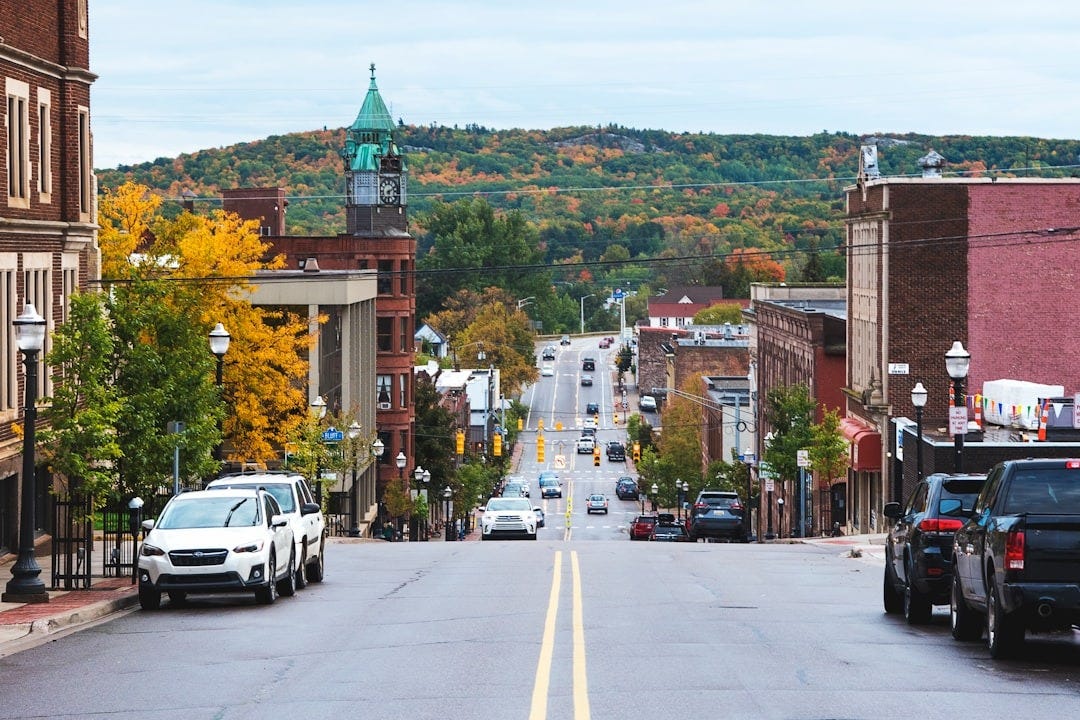
She was endlessly curious about the world, and was lucky enough to travel to multiple continents, and she also lived within a relatively short distance of the place she was born all her life. She knew so much about the history of her part of the world, about the changes over decades and even centuries that were still impacting the lives of the people who live there today. She helped me understand that large-scale events aren't necessarily the most meaningful; that the seemingly small can be big, and the mundane profound.
Dianne was also the first person I really got to know whose views sometimes veered sharply away from my own, and she was, unequivocally, a truly good human being, someone who did not merely talk about what was wrong or what was right, but took physical steps to right the wrongs she saw within her own community, reaching out to help people who—like me—probably held vastly different political beliefs, and lived very different lives, than she did.
In the wake of the events of not just this past week, but the past few years, I am profoundly grateful that I was able to know—really know—my mother-in-law. Because although she and I did not always agree politically, we were able to respect one another—love one another. We could have conversations in which we disagreed, and still hug each other good-bye afterward. And sometimes we even helped one another to see the world from a new perspective.
Knowing her made me a better writer and a better person.
Thank you for challenging me, Dianne.
What I’ve recently read and loved:
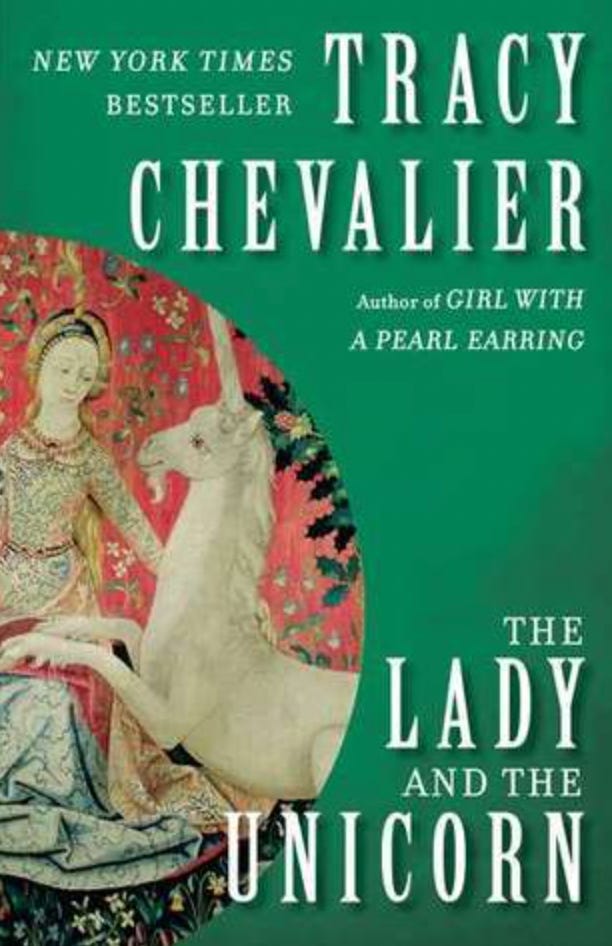
This was a re-read, and, it turns out, a fitting one—when Dianne first got sick many years ago, before my husband and I had even had kids, I sent her this book to read while she was in the hospital. She’d loved Chevalier’s better-known Girl with a Pearl Earring, and was a lover of historical fiction in general, so I hoped she’d enjoy this one, too.
The Lady and the Unicorn is the story, told from multiple perspectives, of the weaving of a set of famous medieval unicorn tapestries. In true Tracy Chevalier fashion, there is lots of historical detail here about the complex artistry behind medieval tapestries, and the many, many hands that worked to create them. It’s also about desire in every possible form, from sexual to spiritual. A rich and fascinating read.
I’m so sorry for your loss and your husband’s loss 💔 but I enjoyed reading about your relationship with her. it’s important to have people around you who challenge you and incredibly important to respect each other while discussing your differences. I love that you had such a good bond with her
Beautifully written. Thank you, love